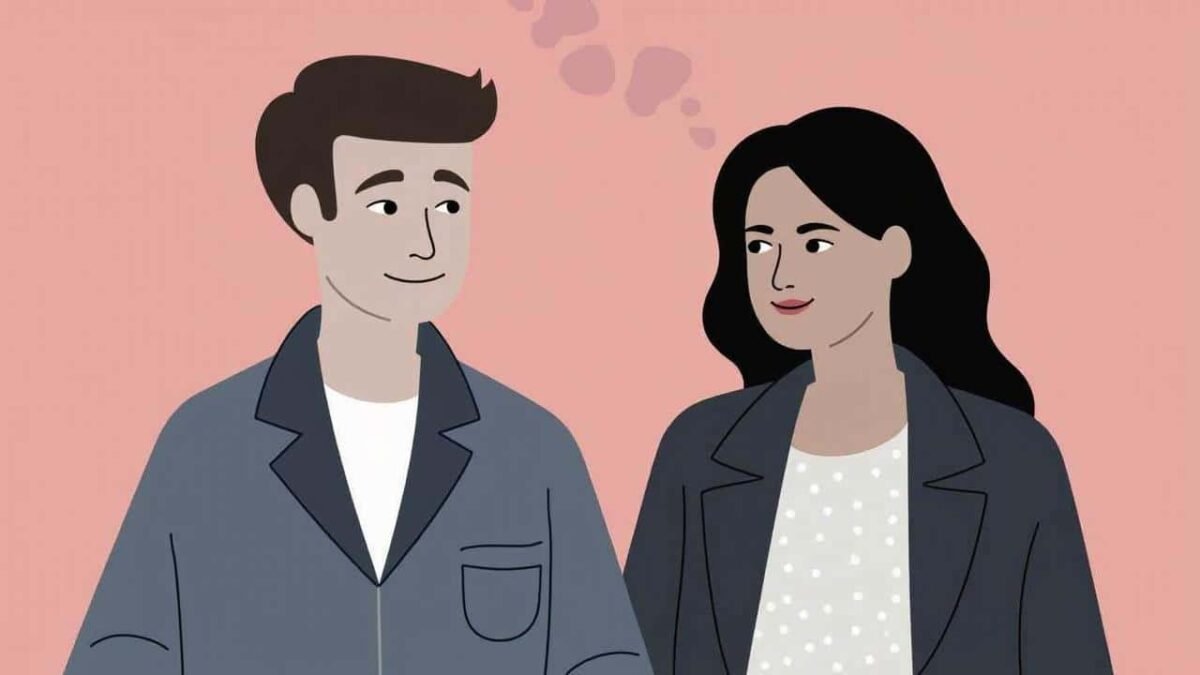
Organic snack, tablet with cartoons, parents hovering. Yet he sat there, shoulders tight, eyes constantly flicking to his mother’s face, scanning for danger. One wrong word and he froze, as if bracing for an invisible storm. His dad joked he was “too sensitive”. The mother rolled her eyes. The boy’s mouth twisted into a half‑smile that never reached his eyes.
Scenes like this don’t show up on school reports. They sit in the quiet corners of bedrooms, at dinner tables, in car rides to football practice. From the outside, everything looks fine. Inside, kids are collecting tiny emotional bruises that grow into something harsher: a deep sense that happiness isn’t really for them.
Psychologists see patterns in those bruises. And they often start with loving parents who don’t realise what’s actually hurting.
9 parenting behaviors that quietly drain children’s happiness
Psychologists rarely talk about “bad parents”. They talk about mismatches: loving intentions, painful effects. One of the clearest patterns they see is emotional invalidation. That’s when a child says, “I’m scared,” and the answer is, “Don’t be silly,” or “Stop overreacting,” or even “You’re fine, nothing’s wrong.”
On paper, it sounds harmless. In a kitchen at 7:45 a.m., with homework undone and shoes missing, it feels like survival. You shut down the drama so you can get out the door. Yet each time a feeling is dismissed, the child doesn’t just swallow the feeling. They swallow the idea that their inner world is wrong.
Across studies, emotionally invalidating parenting is linked to higher anxiety, depression and self‑harm in adolescents. Kids who hear “you’re too much” or “you’re making a fuss” start editing themselves. They smile when they’re furious. They joke when they’re hurt. Their nervous systems keep firing, but their words shut up shop. As adults, they often can’t tell if they’re actually happy, or just performing “fine” for everyone else.
Psychologists see a similar effect with perfectionistic parenting. Not the gentle “do your best” kind. The sharp, constant pressure to excel, be polite, never disappoint. These are the kids who bring home 18 out of 20 and are asked, “What happened to the other two points?” Parents may call it “motivation”. The child’s brain hears a different message: “Love depends on performance.”
In family therapy rooms, grown children of perfectionistic homes describe a permanent sense of being “on stage”. They talk about hiding bad grades, staying quiet about panic attacks, rehearsing conversations in their heads. A study in the journal *Personality and Individual Differences* linked parental criticism with higher perfectionism and lower life satisfaction in students. It’s not just about marks. It’s about never being allowed to be average, messy, or just enough.
Anxious, overcontrolling parenting adds another layer. When children are constantly warned, overprotected, or micromanaged, their world starts to look dangerous by default. Psychologists call this “anxious modelling”: the parent’s fear becomes the child’s lens. Don’t climb that. Don’t talk to them. Don’t try. What began as care quietly teaches one core belief: “I can’t handle life.” That belief is a happiness killer.
From loving intentions to heavy hearts: how these patterns start and what to do instead
Most unhappy kids weren’t raised in chaos. They were raised in homes where parents were stretched thin, scared of mistakes, or repeating what they lived themselves. One helpful move psychologists suggest sounds almost too simple: narrate, don’t judge. When your child explodes in tears over the “wrong” colour cup, try, “You’re really upset about the blue cup. You wanted the red one,” instead of “Stop being ridiculous.”
This tiny shift tells the child their feelings make sense, even if the situation looks trivial. It doesn’t mean saying yes to every demand. It means saying yes to their internal reality. Over time, kids who hear their emotions reflected back learn to do the same for themselves. That inner voice becomes kinder. The world feels less hostile. It’s a small psychological win that compounds over years.
Parents often worry this approach will create “snowflakes”. Research points the other way. Emotional validation is linked to stronger resilience, not fragility, because kids feel grounded enough to face hard things.
The traps are sneaky. Overpraising every tiny thing can backfire, just like constant criticism. When a child hears “You’re amazing!” for simply existing, they may feel secretly panicked: “What if I can’t stay amazing?” Psychologist Carol Dweck’s work on growth mindset shows that praising effort (“You worked hard on that puzzle”) supports long‑term confidence, while praising fixed traits (“You’re so smart”) pushes kids to avoid challenge.
Another frequent mistake is toxic positivity. A child says, “I’m sad nobody played with me,” and the reply is, “Think positive! At least you have toys.” The intention is to cheer them up. The effect is loneliness. Their sadness is met with a command to be grateful instead. On a bad day, this can feel like a form of gaslighting. The child starts to doubt their own experience.
One family therapist summed it up bluntly:
“Children don’t need perfect parents. They need parents who are real, who can say ‘I get why this hurts’ and stay in the room while it does.”
That realism matters. Kids watch how adults handle guilt, anger, boredom, even scrolling on their phones. Every sigh, every eye‑roll, every “I’m fine” is data about how humans live.
To turn that data into something nourishing, many psychologists suggest a few anchor habits parents can return to on rough days:
* One undistracted 10‑minute check‑in with each child, without a phone nearby.
* One honest sentence a day about your own feelings, said calmly.
* One moment where you admit a mistake and repair it.
Soyons honnêtes : personne ne fait vraiment ça tous les jours. Life gets loud, laundry piles up, and you snap at bedtime because teeth brushing took 27 minutes. The point isn’t perfection. It’s direction.
The long shadow of childhood: why these behaviors echo into adult happiness
Psychologists often describe childhood as the “training ground for the stories we tell ourselves”. A child raised with chronic comparison (“Look how well your sister behaves”) may grow into an adult who compares salaries, bodies, holidays, never quite landing on “good enough”. A child raised with emotional silence often becomes the friend who’s always “fine”, even when they’re breaking.
What makes this so tricky is that unhappy kids don’t always look unhappy. Some are top students, star athletes, the “easy” ones teachers love. On the inside, they might feel numb, or like their life is happening on a screen slightly out of reach. That disconnection is strongly associated with later depression and burnout.
*One of the most robust findings in developmental psychology is that kids who feel seen, heard and safe in their families are far more likely to report life satisfaction as adults.* Not perfect families. Not rich families. Just “good enough” relationships where mistakes are talked about and affection isn’t a prize to be won. That’s both reassuring and confronting. Because it means the small, repetitive behaviors—sarcasm at breakfast, ignoring tears at bedtime, joking about “being dramatic”—matter more than the big, Instagrammable moments.
There’s also a generational thread. Parents who grew up with harsh criticism or neglect often swing to the opposite extreme: no limits, endless negotiation, fear of saying no. Kids in these homes may end up just as unhappy, but for different reasons. With too few boundaries, the world feels chaotic. They don’t know where they end and others begin. Psychologists see this in young adults who crumble under basic frustrations: a late train, a tough boss, a partner needing space.
The hopeful side is that breaking these cycles doesn’t require a full personality transplant. It usually starts with one awkward, honest conversation: “I’ve been talking to you in ways I learned from my parents, and I can tell it hurts you. I want to do this differently.” Kids don’t need a TED Talk. They need that sentence, said with eye contact, repeated often enough that it starts to feel true.
A wider lens on “happy children” that might change how you parent this week
Scroll through social media and “happy children” look like wide smiles, perfect bedrooms, curated days out. Psychologists tend to use duller words: regulation, attachment, autonomy. Underneath the jargon is something very human: a child who feels like they are allowed to exist as they are, connected to others, with some power over their own life.
This is where the nine harmful behaviors psychologists flag—emotional invalidation, constant criticism, anxious overcontrol, toxic positivity, sarcasm and shaming, chronic comparison, withdrawal of affection, unpredictable moods, and absence of boundaries—start to make sense. Each one attacks a pillar of that inner stability. The child starts to believe one of three painful stories: “My feelings don’t count”, “I’m never enough”, or “The world is unsafe and I can’t handle it.”
On a practical level, shifting this doesn’t mean printing a list and policing yourself every five minutes. It might look like catching one sarcastic comment and replacing it with a straightforward one. Or noticing, just once this week, that your “What did you get?” about grades could become “How did you feel about that test?” Tiny, almost boring tweaks. Yet over time, they rewrite the scripts playing in your child’s head.
On a more personal level, it often means turning the spotlight back on your own childhood. Where did you learn that crying is weakness? That rest is lazy? That being average is failure? Those beliefs don’t disappear when you have kids. They show up at bath time, on school mornings, in how you talk about your own body in front of the mirror.
On a societal level, this conversation asks us to be braver with each other. To stop glamorising exhausted martyrdom as “good parenting”. To admit we shout, withdraw, say things we regret. To ask friends, “How’s your patience these days?” instead of, “How are the kids doing at school?” On a quiet night, when the house finally settles and the guilt creeps in, it can help to remember one thing psychologists repeat to parents in their offices: you don’t need to erase every past mistake. Your child’s happiness can grow from how you repair, too.
What are the biggest signs my child is unhappy?
Have I already “ruined” my child if I recognise myself in these behaviors?
How do I validate feelings without giving in to every demand?
What if my own parents raised me with harsh criticism and no affection?
When should I seek professional help for my child?