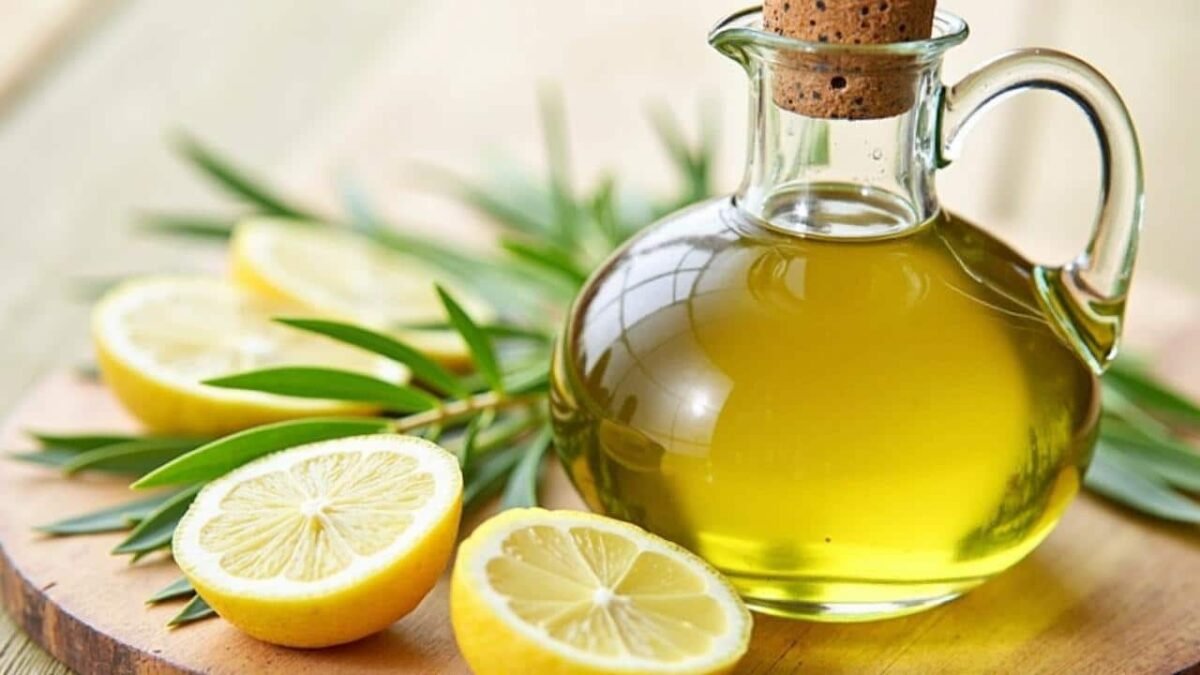
The bottle sat there like a guilty secret on the kitchen counter. Dark green glass, gold label, price tag that suddenly felt almost obscene. You probably know the feeling: you reach for your usual olive oil, hesitate for half a second, then realize the last refill cost more than your weekly vegetables.
At the supermarket, it’s even more brutal. The olive oil shelf looks like the luxury watch section now, not a basic pantry aisle. People pick up a bottle, see the price, put it back. Then you see them drifting toward cheaper yellow liquids with names they barely trust. I started asking friends what they were doing. Some had cut quantities in half. Others were “saving” olive oil only for salads. One neighbour just shrugged and said: “I fry everything in butter now, it’s cheaper.” Somewhere between guilt and frustration, a quiet question is spreading in kitchens everywhere.
What if the best answer is to say goodbye – at least partly – to olive oil?
Why everyone is secretly looking for an olive oil replacement
Let’s be honest: for years, olive oil has been treated almost like a magic potion. Mediterranean, stylish, healthy, photogenic on Instagram. It ticked every box. Then came the droughts, the failed harvests, the supply issues, and suddenly that “everyday bottle” turned into a luxury product in many countries.
Families who used to glug it without thinking now pour it by the teaspoon. Some skip it entirely for cooking and keep a small bottle “just for taste”. The relationship has changed. Something that felt like a simple, sun-soaked staple has become a calculated expense, almost like a treat you have to defend.
Behind that shift, the numbers are brutal. In some European supermarkets, extra-virgin olive oil has jumped by 50–100% in less than two years. Households that once went through a litre a month now stretch the same bottle for three. On a tight budget, that price line on the receipt hurts, even if you care about your health.
So people improvise. Sunflower oil for frying, margarine for baking, butter “just this time.” It feels like small choices, but swapped daily, they build new habits. And not always the kind your doctor would applaud.
When nutritionists look at this quiet revolution, they see a big blind spot: most shoppers compare only the price on the shelf, not what’s inside the bottle. They see oil as oil. Same calories, similar uses, end of story. That shortcut makes sense when money is tight.
Yet the reality is more nuanced. Fats don’t all behave the same when heated. They don’t have the same impact on your heart, your cholesterol, or your level of inflammation. Some oils oxidise faster in the pan. Others quietly protect your arteries in the background.
So the real question is not just “What’s cheaper than olive oil?”. The question is: What’s cheaper, genuinely healthy, and can slide into everyday cooking without feeling like a downgrade?
The healthiest and cheapest oil hiding in plain sight
Here’s where things get interesting. Among all the supermarket bottles, one has been sitting there for years, half-ignored, sold under boring labels and often stuck on the bottom shelf: canola oil, also known as rapeseed oil in many countries.
No, it doesn’t have the romance of centenarian olive trees or stone mills. It rarely appears in glossy food magazines. Yet its nutritional profile quietly ticks the right boxes. Low in saturated fat. Rich in monounsaturated fats, like olive oil. A surprisingly decent content of omega‑3, which your body can’t make on its own.
Walk through most European or North American supermarkets and you’ll see the price gap with olive oil at first glance. A big bottle of rapeseed / canola oil often costs less than half per litre. That’s not a small difference over a year if you cook daily.
In some countries, official heart foundations actually recommend it as a top choice. Not for trendiness, but for its balance between cost, fat profile, and stability in the pan. It’s one of those rare cases where the budget option is not a nutritional disaster.
Of course, people worry. Isn’t rapeseed oil “processed”? Isn’t it all GMO? Doesn’t it taste weird? A lot of those fears come from confusion with industrial seed oils used in ultra-processed foods. Plain, cold-pressed or high-quality refined canola/rapeseed oil is a different story.
For everyday home cooking, it’s like the quiet neighbour who never brags but always shows up when needed. You can fry with it, bake with it, whisk it into a dressing. And your wallet barely notices. That combination – good fats, neutral taste, low price – is rare enough to deserve a second look.
Keep the romance, change the routine
The most realistic way to “say goodbye” to olive oil is not to banish it, but to demote it. You keep a small bottle of good extra-virgin olive oil for raw use: salads, finishing a soup, drizzling over roasted vegetables right before serving.
For everything else – especially high-heat cooking – you quietly switch to canola/rapeseed oil. Stir-fries, pancakes, roasted potatoes, sheet-pan dinners, marinades, cakes, even homemade granola. All those invisible tablespoons that add up during the week can change without drama.
The method is simple. Next time your big olive oil bottle runs out, don’t replace it with the same size. Buy a small olive oil, and a large rapeseed/canola oil. Put the olive oil somewhere you see it only when you need its flavour. Let the canola bottle live next to your stove.
Within a couple of weeks, your hand will naturally go to the cheaper bottle for most tasks. You’ll keep the olive oil instinct for those few dishes where the taste actually matters. The health impact stays solid, the budget breathes, and you don’t feel punished at dinner.
Common traps when swapping oils
There are traps on the way, though. Many people panic at the idea of giving up flavour and jump straight into extremes: only cheap mixed vegetable oil for everything, or only butter because “it’s more natural.” The reality of daily cooking lives somewhere between those two poles.
One frequent mistake is to treat oils as if they were identical as soon as they’re heated. Someone reads that olive oil “smokes” and decides to avoid it completely for hot dishes, then swaps it for an oil much higher in omega‑6, used at high temperature, every day. Over time, that can shift the inflammatory balance in the wrong direction.
Another trap is shame. People feel guilty for not buying the “healthy” fancy bottle anymore, so they stop thinking about nutrition altogether and choose purely on price. That’s human. When your brain feels judged, it shuts down nuance. *On a busy Tuesday night with hungry kids, the last thing you want is another moral lecture in the kitchen.*
The kinder approach is to accept that you’re juggling constraints: money, health, taste, time. You won’t make the “perfect” choice at every meal. You don’t need to. Small, repeatable habits matter far more than some mythical ideal.
“I tell my patients to stop chasing the one ‘perfect oil’ and focus on the pattern,” says a London-based dietitian I spoke with. “If most of your fats come from olive oil, canola, nuts, seeds, avocado, you’re already winning. The budget question comes after that.”
What helps in real life is a tiny mental checklist, not a full nutrition course. Before reaching for a bottle, think:
* Is this for high-heat cooking or a cold dish?
* Do I really need the olive flavour here?
* Which bottle is cheaper for this specific use?
* How often am I using butter or coconut oil this week?
* Do I have at least one omega‑3 source in my day?
If you run through those questions even once or twice, you’ll start to see where olive oil matters… and where rapeseed/canola oil can quietly take over without any loss of pleasure.
A small shift that changes how your kitchen feels
What stays with me is not the science, it’s the atmosphere in people’s kitchens. When olive oil becomes “too precious”, cooking starts to feel a bit tense. You measure, you ration, you think twice before roasting a tray of vegetables. That tiny background stress takes some joy out of everyday food.
Switching the “workhorse” role to a cheaper but healthy oil changes that mood. Suddenly you can toss carrots, potatoes, chickpeas with a generous spoonful again, knowing you’re not pouring money down the tray. Olive oil comes out like a special guest star, not a missing friend.
We have all lived that moment when you stand in front of your cupboard, doing mental math instead of thinking about flavour. That’s where this quiet goodbye to olive oil – or at least to its central role – can feel strangely liberating.
You’re not betraying tradition. You’re adapting it. Mediterranean families themselves have always mixed fats according to price, season and availability. The myth of the endless river of extra-virgin on every dish is just that: a myth crafted by marketing and postcards.
In the end, the bottle on your counter is a snapshot of your priorities: health, taste, budget, culture. They won’t stay frozen. Next year, climate, harvests and prices may shift again. Maybe olive oil will come back down, maybe not. Maybe other oils will step into the spotlight.
What doesn’t change is the core question: what do you want your everyday fat to do for you? Protect your heart. Respect your wallet. Make vegetables craveable. Be easy to find where you live. When you look at it like that, saying “goodbye” to olive oil as the automatic default stops feeling like a loss. It starts to look like something else: a small, quiet, grown-up choice worth sharing with the people you cook for.
Is canola/rapeseed oil really healthier than cheap mixed vegetable oil?
Can I completely stop buying olive oil?
Does canola/rapeseed oil change the taste of my food?
Is it safe to fry with canola/rapeseed oil?
What if I really love the taste of olive oil?