They were sharp, windblown, sliding sideways across the streetlights like static on an old TV. People walked faster without really knowing why, tugging scarves higher, checking phones a little more often than usual. On the ring road, the first brake lights started to glow a bit too bright, a bit too early. The city felt like it was holding its breath.
In living rooms across the region, weather apps flashed the same red and amber warnings. Heavy snow. Widespread disruption. Risk to life. Official. Confirmed. Somewhere between the sofa and the kitchen, mums started mental lists, lorry drivers eyed tomorrow’s routes, and teenagers secretly hoped school might close. The forecast wasn’t just a map; it was a countdown.
By late tonight, the quiet will turn into something else entirely.
“It’s coming”: when a forecast suddenly feels personal
On the edge of town, the supermarket car park was already a snapshot of pre-storm nerves. Trolleys rattled with bread, batteries and oversized bags of cat litter. A man in a hi-vis jacket checked the sky as if he didn’t trust the app, then shrugged and loaded another crate of bottled water. Inside, the queue at the checkout wound down aisle three, past the last lonely snow shovel on the shelf.
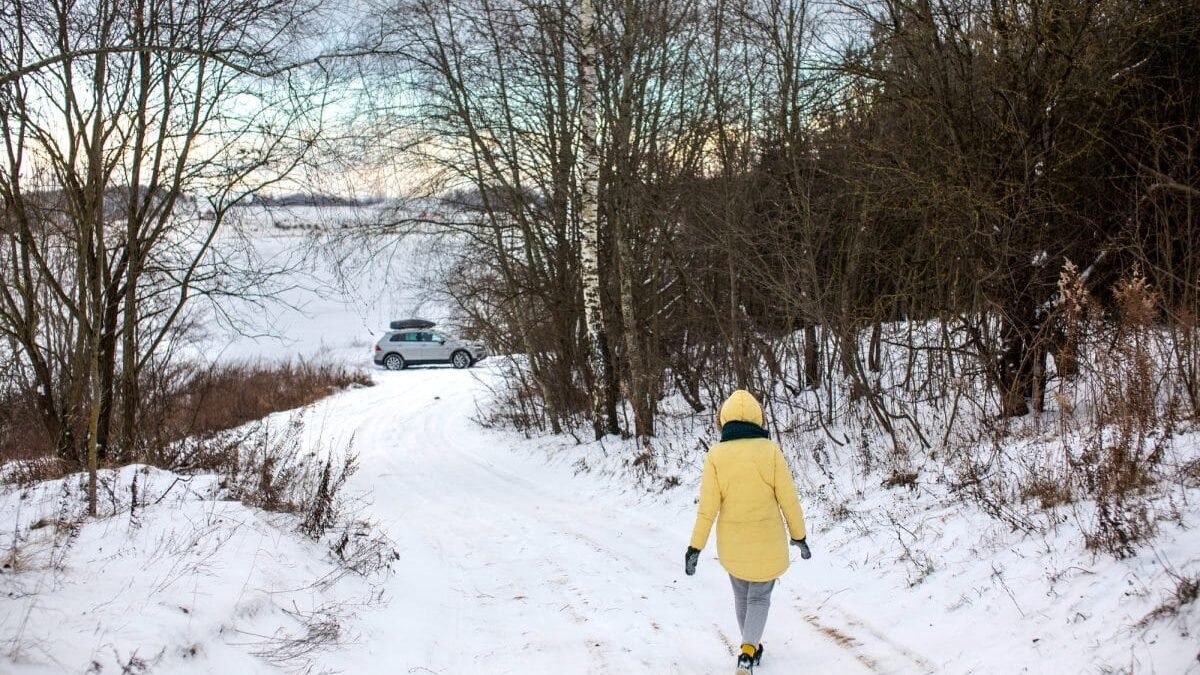
On the motorway, gritting lorries rolled out in convoy, orange lights pulsing through the spray. Drivers leaned forward over the steering wheel, the way people do when they’re not quite relaxed. On a small country lane, a nurse coming off a late shift slowed as the first proper flakes began to stick, watching the tarmac disappear under a thin white film. That early, fragile layer is the one that tricks people. It always looks harmless.
Across the country, official agencies aren’t talking about “wintery showers” anymore. Met offices and transport agencies are using words like “significant”, “severe” and dangerous. Forecasters are tracking a band of moisture-laden air colliding head‑on with a deep pool of freezing temperatures, a classic setup for heavy, prolonged snowfall. That mix doesn’t just mean a pretty white morning; it usually means rapid accumulation, quick ice formation, collapsing visibility and roads turning from wet to lethal in under half an hour.
Weather models, which crunch millions of data points every few hours, are now lining up in rare agreement: heavy snow will start late tonight and intensify overnight. The risk zone is broad, stretching from busy commuter belts to exposed rural routes where drifting can cut off villages in hours. When forecasters raise their alerts from yellow to amber and beyond, they’re not trying to scare people. They’ve seen how fast things go wrong when people still try “a quick drive” in the middle of a red warning.
How to get through the next 24 hours without losing your cool
The single most useful move in the next few hours is brutally simple: decide what can wait. Look at tomorrow’s calendar with cold eyes and cut anything that involves unnecessary travel. That late‑night gym session, the casual visit across town, the “I’ll just pop out for…” errand. The safest journey in heavy snow is the one that never happens.
Then turn to the basics at home. Charge phones, power banks, laptops. Fill a jug of water. Pull out a working torch, not the one with leaky batteries at the back of the drawer. Lay out warm layers and dry socks somewhere obvious. It sounds like overkill until the power flickers and the house suddenly feels bigger and darker than usual.
On the roads, survival is often about the five minutes you spend before you even start the engine. Clear all the windows, not just a letterbox gap on the windscreen. Knock snow off headlights and brake lights so people can actually see you. Drop a blanket, a bottle of water and a snack into the boot, along with a scraper and a pair of gloves you’re not precious about. Real winter driving is messy. *You’re not filming a car advert.*
Most people know the theory of driving in snow. Gentle braking, slow acceleration, leave more space. The reality at 7:45 a.m. on an icy ring road, running late, with a queue of red lights ahead, is something else entirely. This is when habits take over, and habits don’t change just because the forecast got scarier.
One of the biggest mistakes is speed, not just in miles per hour, but in decision-making. People change lanes sharply to get around a stuck car, slam on the brakes at a junction, or follow the vehicle in front as if they’re tied together. On packed snow, that mental autopilot is what sends cars sliding into each other at walking pace, one after another, while everyone stares in disbelief. We can be honest: nobody really does this every day.
Another quiet danger is overconfidence. The “I’ve got a 4×4, I’ll be fine” crowd, or the “I’ve driven in worse” veterans who underestimate black ice, steep side streets, or snow that’s falling faster than the ploughs can clear it. If you’re anxious, you’re not weak. You’re processing risk. Try phoning an older relative before bed, or dropping a quick message in the street WhatsApp group. One small lift or shopping drop tomorrow might save somebody from a miserable, risky trek in a blizzard.
“People think snow days are just about getting stuck,” says a veteran paramedic who’s worked through some of the worst winter storms of the past decade. “The real story is the domino effect: missed dialysis appointments, carers who can’t reach patients, people falling on untreated paths. The weather is the headline, but what hurts is the disruption underneath it.”
That’s why thinking beyond your own front door matters. Clearing the patch of pavement outside your home can make the difference between your neighbour walking safely or breaking a wrist. Sharing a local update about a blocked road or a fallen tree can reroute dozens of people who might otherwise get trapped. In heavy snow, information is its own kind of grit.
- Check local authority and official weather channels, not just social media rumours.
- Keep a small “snow kit” by the door: gloves, hat, torch, grit or sand if you have it.
- If you must travel, tell someone your route and expected time, then stick to it.
- Think about who around you might struggle tomorrow, and make one concrete offer.
- Remember: changing your mind and staying home is not a failure, it’s a strategy.
After the first white shock, what comes next?
By tomorrow morning, the same streets that looked vaguely magical around midnight may feel hostile and awkward. Buses crawling past half-empty stops. Footsteps pressed into the snow, then frozen into tricky ridges. The soundtrack will be a mix of spinning tyres, shovels on concrete, and kids begging for one more hour outside before gloves are soaked through.
Heavy snow always rearranges priorities. Meetings become video calls. Deliveries run on “by when we can”, not “by 10:30”. Healthcare workers, refuse teams, rail staff and gritter drivers quietly shoulder a weight that most of us only glimpse from our windows. On a bad day, the weather exposes cracks we prefer not to see: how many people live one missed paycheque from real trouble, how many rely on public transport that stops when the rails freeze.
This storm, like every storm, will eventually pass. The slush will replace the crunch. The headlines will move on. What tends to linger is the way people remember who helped, who vanished, who surprised them. Some will talk about the night the snow cut them off; others will talk about the stranger who pushed their car, the neighbour who showed up with soup, the boss who said, simply, “Stay home, we’ll manage.” Heavy snow has a habit of shrinking the world to the distance you can walk – and that distance often contains more stories than we expect.
How bad is the snow really expected to be?
Should I cancel my travel plans for tomorrow?
What should I have at home before the snow hits?
Is it safe to drive if I have a 4×4 or winter tyres?
How long could the disruption last after the snowfall stops?