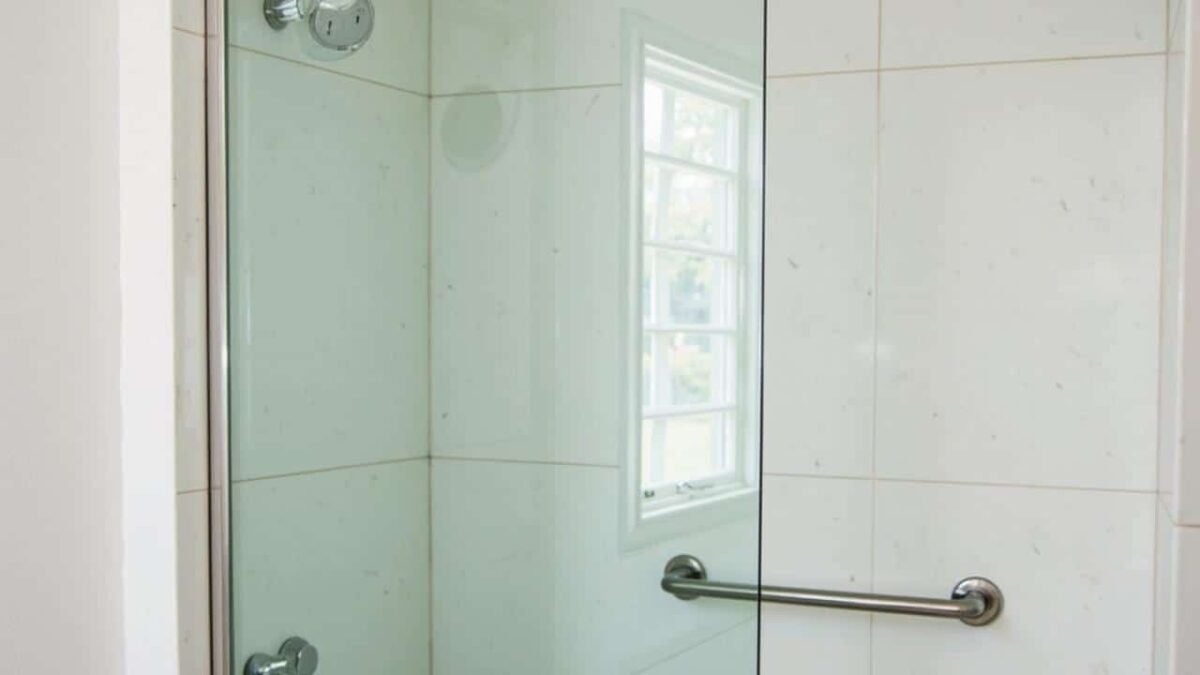
The hotel bathroom looks perfect when you walk in.
Glass sparkling. No streak, no mark, no trace of steam or fingerprints. Then you go back home, stare at your own shower screen and… hello, soap scum, lime scale and mysterious cloudy patches that never seem to budge. You scrub, you spray, you hold your breath under chemical fumes. The glass still looks tired.
Somewhere between professional housekeeping secrets and TikTok “hacks”, there’s a quiet, unglamorous method that hotel cleaners use over and over. It doesn’t involve a cupboard full of products. It doesn’t require three hours on a Sunday. And once you’ve seen it with your own eyes, you can’t unsee how simple it is.
The trick is not what you think.
The quiet genius behind spotless hotel shower screens
Picture a housekeeper on a back-to-back shift in a big city hotel. Cart rolling, radio crackling, only a few minutes to reset each room before the next guest arrives. There’s no time for magic potions or elaborate DIY mixtures. The shower screen has to go from streaked and foggy to “wow” in less than two minutes.
So they do something very small, very efficient, and utterly repeatable. One product. One tool. One movement. Then they walk out and leave behind that sharp, reflective glass we secretly wish we had at home. The kind that makes you think: did they install a new shower, or is this just cleaned differently?
Unlike our home routine, hotel cleaning isn’t about “when I have time”. It’s a system. And that’s where the real trick hides.
In big chains, the process is almost choreographed. Training manuals specify exactly how to clean a shower screen: what to spray, how long to wait, which direction to wipe. Some hotels even time new staff on how fast they can turn a bathroom from “used” to “photo-ready”.
One UK housekeeping manager told me they handle more than 20 bathrooms per cleaner per shift on busy days. That’s hundreds of shower screens a week, all exposed to different shampoos, hard water and makeup residue. There’s no space for trial and error. If the method didn’t work, they’d change it instantly. They can’t afford cloudy glass in guest photos.
That pressure for consistency created a surprisingly simple routine. No viral “miracle sprays”. Just repeatable steps and the right combination of two very ordinary things.
What most of us fight at home is a mix of hard water deposits and body oils that glue everything to the glass. When those minerals dry, they latch onto microscopic imperfections in the surface. Ordinary wiping just spreads the mess around, which is why you get streaks instead of clarity.
Hotel cleaners approach this differently. They focus on softening, then slicing through the buildup in a single movement. First, they use something mildly acidic to loosen the mineral grip. Then they remove everything at once with a tool that doesn’t smear: a flat, sharp-edged squeegee, pulled in confident strokes from top to bottom.
The logic is almost boring in its simplicity. Remove the cause, don’t polish the symptom.
The hotel trick: vinegar, a sponge, and a squeegee
Here’s the trick you don’t see when you admire that hotel bathroom: many professional cleaners quietly rely on a basic, acidic solution and a good squeegee. No drama. No foaming mountain of product. Just white vinegar (or a commercial descaler), a non-scratch sponge, and a professional-grade squeegee with a flexible rubber blade.
They start by spraying the glass with diluted vinegar or a lime scale remover, paying extra attention to the bottom edge where water pools. Then they walk away for a minute. That wait is key: the acid has time to dissolve the mineral film instead of you fighting it with muscle.
After that short pause, they gently pass a soft sponge over the screen, then immediately squeegee from top to bottom in overlapping lines. One clean, confident swipe at a time. No circles. No endless rubbing.
At home, we often expect miracles from a single spray. We spritz something perfumed, wipe with the nearest cloth, and feel frustrated when the glass still looks half-foggy. Hotel staff know the “miracle” isn’t the product, it’s the method. The tool matters as much as the liquid.
A flimsy plastic squeegee from a discount bin will leave tracks and gaps. A good one glides. It hugs the glass so the water and dissolved grime slide off instead of streaking across. That’s why housekeeping teams often carry the same squeegee for weeks, only changing the rubber strip when it starts to drag.
There are common mistakes that quietly sabotage shower screens. Using a rough scourer “just this once” to attack a stubborn patch. Mixing products in the hope that more is better. Spraying glass cleaner straight onto heavy lime scale and expecting it to behave like new.
The hotel way says the opposite: be gentle, be consistent, and be a little strategic. Let the vinegar or descaler do the hard work. Keep one sponge for the shower only, so you’re not spreading kitchen grease or dust. Rinse the sponge often during the process, so you’re not just pushing cloudy water around.
And if you forget for weeks? Don’t beat yourself up. *Real life comes with long days, tired evenings, and showers taken on autopilot.* Start again from where you are. One proper “reset” clean, then shorter, easier ones.
“The glass shouldn’t feel like a battle,” a veteran hotel housekeeper told me. “If you’re sweating and scrubbing, the product or the tool is wrong. When it’s right, the screen just gives up the dirt.”
There’s also a psychological side to this tiny routine. On a bad day, seeing a sparkling screen can feel like proof that at least one thing in your home is under control. That’s why many hotel cleaners swear by a 30-second ritual after every deep clean: a quick rinse, then three fast swipes with the squeegee after the last guest shower. No thinking. Just habit.
- Use an acidic cleaner (vinegar mix or limescale remover) for the “reset” clean.
- Invest in a sturdy, flexible squeegee and keep it hanging in the shower.
- Switch to a quick daily or “every few showers” swipe, not a weekly marathon.
- Avoid abrasive pads that scratch and trap future grime.
- Accept that some stains are etched and may need professional treatment.
Living with a “hotel clean” screen in a non-hotel life
Once you’ve done that first hotel-style reset — vinegar or descaler, gentle sponge, deliberate squeegee — something shifts. The glass suddenly reflects more light. The bathroom looks bigger. You notice tiny things you’d stopped seeing: the curve of the taps, the colour of the tiles, the way morning sun hits the screen.
From there, the maintenance becomes weirdly low-effort. A quick spray and rinse once in a while. A few seconds with the squeegee after a shower, or at least on the days you remember. No guilt if you skip it, just a slight satisfaction when you don’t. It’s not perfection, it’s a truce with reality.
On a deeper level, this small ritual scratches something emotional. On a grey Tuesday, stepping into a shower that looks like a mid-range hotel — clean, clear, ready — feels quietly luxurious. You haven’t changed your tiles. You’ve just removed the dull layer that made everything look tired.
| Point clé | Détail | Intérêt pour le lecteur |
|---|---|---|
| Acide doux d’abord | Vinegar or limescale remover softens mineral deposits before wiping | Less scrubbing, better results on stubborn cloudy patches |
| Squeegee de qualité | Use a flexible rubber blade, long top-to-bottom strokes | Streak-free glass that actually looks “hotel clean” |
| Petit rituel régulier | 30-second swipe after some showers instead of rare deep cleans | Saves time, keeps shower screens clearer for much longer |
How often should I use the “hotel trick” on my shower screen?
Can I use pure vinegar on all shower screens?
What kind of squeegee do hotels actually use?
How do I deal with marks that won’t come off at all?
Is a glass cleaner spray enough on its own?