The sun had been brutal for weeks, the kind of dry, buzzing heat that leaves lawns the color of cardboard and gardeners scrolling weather apps in disbelief.
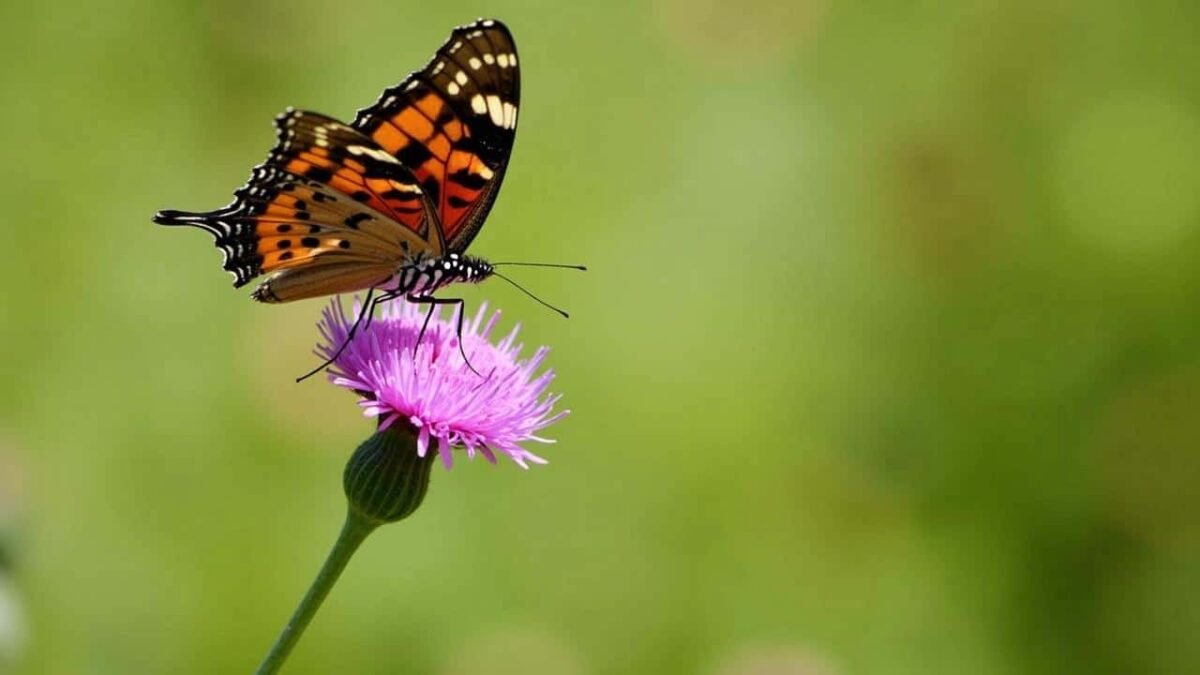
Yet in the middle of that faded, thirsty landscape, a small corner of the yard suddenly exploded with color and movement. Orange wings hovered, dipped, fluttered. Bees wove between tiny purple blooms. Neighbors slowed down when they walked past the gate, trying to understand why everything else looked tired and this one bed looked… alive. No sprinkler system. No daily watering ritual. Just a rugged plant throwing a silent party for every butterfly in the neighborhood. That’s usually how the obsession starts. You see one tough plant ignore the heat and call in pollinators like a magnet.
The quiet star of the hottest days
There’s a reason experienced gardeners in hot regions speak almost tenderly about butterfly bush, or Buddleja. It doesn’t look like a diva plant. Thin, grey-green leaves. Long flower spikes that lean slightly in the breeze. Yet when the temperature climbs and many classic garden darlings surrender, butterfly bush is just getting into character. It loves warmth, laughs at poor soil, and can thrive on surprisingly little water once its roots are settled.
Stand next to one in midsummer and you feel that invisible traffic. Painted ladies, red admirals, swallowtails. Bees arriving in frantic zigzags. Hummingbirds hovering like tiny helicopters. The shrub becomes a kind of staging area where everything with wings pauses for a drink. For yards that feel static and silent, this one plant flips the script. Suddenly, the garden isn’t a backdrop. It’s a living show.
Research backs up what any gardener with dusty knees already knows. In trial gardens across dry, hot US states and Mediterranean climates, Buddleja consistently ranks among the top nectar plants for butterflies when summer hits its peak. Municipal planners quietly drop it into urban planting schemes because it doesn’t complain when the watering schedule gets “aspirational.” Homeowners discover that where they once had a dead patch of lawn, they now have a 6-foot nectar bar.
The logic is simple. Butterfly bush evolved in tough, rocky, often dry environments. Its narrow leaves lose less water. Its deep roots go hunting where moisture actually hides. While lawn grass sulks near the surface, this shrub lives like a desert traveler, sipping just enough to keep going. And as the soil dries and other flowers fade, Buddleja’s blooms suddenly become the hottest resource in the neighborhood. For butterflies, that’s like someone opening the only café in town after dark.
Planting a drought-tolerant butterfly magnet
The easiest way to win with butterfly bush is to think “tough love” right from day one. Choose the sunniest corner you have, the spot where you squint around midday and think, nothing nice could grow here. That’s your place. Dig a wide hole, not especially deep, so the roots spread outward instead of sulking in a wet pocket. If your soil is heavy, mix in gravel or coarse sand. Buddleja likes its feet free, not stuck in mud.
Water deeply the first season, then step back. The goal isn’t to pamper it forever, but to help it send roots down where real moisture hides. A slow soak once a week in the first summer does more than daily sprinkles ever will. As the plant settles in, you’ll notice it holds its own through heat waves that turn hanging baskets into crispy relics. And once it’s established, that’s when the low-water magic really begins.
Here’s the part where gardening advice usually turns into a guilt trip. Daily checks, perfect pruning, special feeds. Soyons honnêtes : personne ne fait vraiment ça tous les jours. Butterfly bush is forgiving. It doesn’t need constant hovering. The mistake many people make is the opposite: they give it too much. Too much water. Too-rich compost. Too-tight planting in a crowded bed. This plant wants breathing space, lean soil, and full sun, not a spa vacation.
On a human level, that’s strangely comforting. You can forget to water for a week in August and not wake up to a plant obituary. You can skip elaborate routines and still have butterflies dropping in. On a hot Tuesday evening, when you’re too tired to fuss with roses or baby container herbs, that shrugging toughness feels like kindness.
Gardeners who fall hardest for Buddleja often sound almost confessional about it. One UK grower told me, “I planted one small butterfly bush by the fence, thinking it might just fill an empty corner. By the second summer, my kids were counting butterflies instead of scrolling their phones.” It’s that simple sense of exchange: you give a dry corner and a bit of patience, and the plant gives you back wings, color, movement.
There are a few small habits that turn “pretty good” results into a full-on butterfly haven. Light pruning in late winter or very early spring to keep the shrub in shape. Snipping off spent flower spikes in summer so new ones keep coming. Choosing modern, sterile varieties in areas where Buddleja is invasive, so you get the nectar without the unwanted seedlings. Little things, not full-time jobs.
- Choose a compact variety if you have a small yard or balcony.
- Pick purple or deep pink blooms – butterflies tend to favor them.
- Combine with other drought-tolerant flowers for a nonstop nectar season.
- Water deeply in year one, then gradually cut back.
Turning a dry yard into a real butterfly haven
One plant is a magnet. A few plants, thoughtfully placed, become an ecosystem. The trick is to think in layers of bloom time and height. Put your butterfly bush in the sunniest, driest spots as anchors. Around its base, plant low-water companions like coneflowers, salvias, yarrow, or verbena bonariensis. They all drink sparingly and attract pollinators, but each flowers on its own schedule. Put together, they make your yard relevant to butterflies for months, not just two flashy weeks.
On a human level, this changes how you experience hot days. Instead of staring at a dying lawn, you start noticing small stories. A monarch revisiting the same flower spike three evenings in a row. A ragged-winged butterfly that looks like it’s lived a life. Kids leaning over gravel paths, whispering as if they might scare the wings away. On a rough workday, those three minutes outside with a mug of coffee feel like a reset button you didn’t know you had.
Most people secretly worry they’ll “mess it up.” They’re afraid they don’t know enough plants, don’t have enough time, don’t water correctly. The truth is, a drought-tolerant butterfly garden works because it’s imperfect. A few dry leaves, a bit of bare soil, a flower spike past its prime – all of that creates hiding spaces, resting spots, tiny pockets of life. Your job isn’t to stage a magazine-ready scene every morning. It’s to set out the key ingredients and let nature edit the rest.
We’ve all had that moment where we catch ourselves doomscrolling on the couch while the evening light outside looks like honey on the walls. A heat-loving, low-water plant like butterfly bush is a small nudge to step into that light. To trade one more headline for the slow flick of a pair of yellow wings. The yard doesn’t have to be perfect. It just has to be inviting enough for something alive to stop by.
Does butterfly bush really need so little water?
Is butterfly bush invasive?
Will it attract butterflies even in a small urban yard?
Do I need to prune it every year?
Can I grow butterfly bush in a container?